Fried onions are a versatile food ingredient, characterized by a rich onion aroma, a golden-yellow color, and a crispy texture. So, what are the applications of fried onions, and how are are crispy fried onions made?
What are the applications for fried onions?
Fried onions are typically made from fresh onions that have been sliced and deep-fried. The finished product possesses a distinct, toasted aroma and can be consumed on its own or used as an ingredient in other food products.
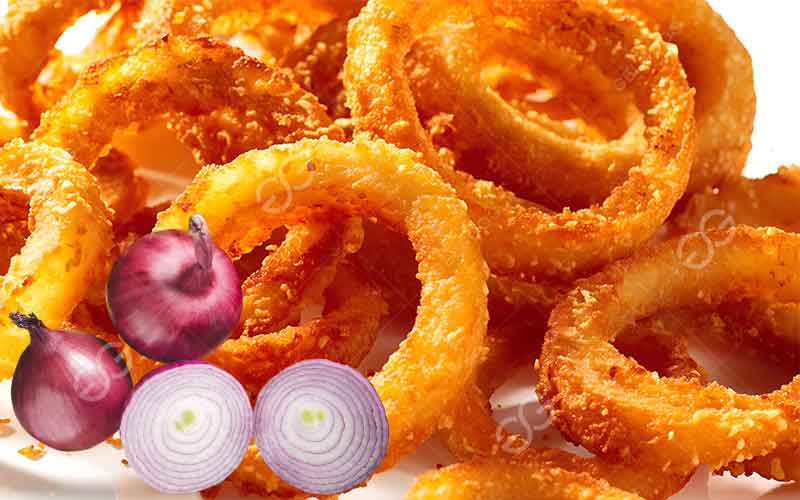
Key applications include:
1. Convenience foods: Fried onions serve as a seasoning or topping for instant noodles, instant soups, frozen foods, and ready-to-eat meals, enhancing both their aroma and texture.
2. Snack foods: When properly seasoned and packaged, crispy fried onions can be sold as a standalone snack.
3. Food service industry: They are widely used in items such as hamburgers, hot dogs, salads, sandwiches, and various fast-food products, helping to elevate the flavor and texture of the food.
How are crispy fried onions made?
1. Raw Material Selection
Select fresh onions that are appropriately mature and free from rot or mechanical damage. The quality of the raw material directly impacts the flavor, color, and final yield of the fried onions.
2. Peeling and Washing
Remove the outer dry skins and root ends using an onion-peeling machine, then pass the onions through washing equipment to remove surface dust and other impurities.
3. Slicing or Shredding
Depending on the specifications required for the final product, use specialized slicing equipment to process the onions into rings, strips, or small pieces.
4. Dehydration
Before frying, use a centrifugal dehydrator or other suitable equipment to remove excess surface moisture from the onions, ensuring a more stable frying process.
5. Continuous Frying
This is one of the most critical stages in the production of fried onions.The prepared onions are fed uniformly into a continuous fryer. Frying at a controlled temperature and for a specific duration allows the internal moisture to evaporate, resulting in a golden-brown appearance and a crispy texture.
6. Oil Removal and Cooling
Once frying is complete, the product is promptly removed from the fryer. Excess surface oil is then eliminated through methods such as vibration-based oil drainage or centrifugal de-oiling.
7. Seasoning and Packaging
Depending on market requirements, salt, spices, or other seasonings may be applied to the fried onions. Finally, the product is sealed and packaged using automated weighing and packaging equipment.
How can you ensure fried onions are crispy?
For manufacturers of fried onions, crispiness is a key factor influencing product competitiveness. To produce fried onions with a uniform color, a crispy texture, and resistance to becoming soft again, it is essential to focus on the following aspects:
1. Control the thickness of onion slices
The thickness of the slices directly affects the rate of moisture evaporation and the frying outcome. Inconsistent thickness can lead to a situation where some pieces are already crispy, while others still retain a high moisture content.
2. Regulate frying temperature and duration
Oil temperature and frying duration must be set appropriately based on the thickness and moisture content of the product. An automatic temperature control system should be used to maintain a stable oil temperature and prevent significant fluctuations.
3. Ensure thorough moisture removalMoisture is the critical factor affecting the crispiness of fried onions. Dehydrating the onions prior to frying reduces the frying load; after frying, it is necessary to ensure the product reaches the target moisture content and water activity level to prevent it from softening during storage.